A quick note: Some of the links below are affiliate links, which simply means I may earn a small commission if you choose to purchase through them—at no extra cost to you.
I only share products I genuinely use, love, or would confidently recommend to a friend. Every purchase made through these links helps support Sovereign Becoming and allows me to keep creating free content like this. Thank you for being here and for supporting this little corner of the internet. It truly means more than you know. 🤍
White Willow Bark & Marshmallow Root: A Gentle Herbal Pair for Pain Support
Sometimes the best herbal formulas aren’t about finding one “miracle herb.” They’re about pairing plants that complement one another.
When I first started studying herbalism, I was always searching for the strongest herb.
The herb for headaches.
The herb for arthritis.
The herb for inflammation.
But over time, I’ve learned that herbal medicine often works more like an orchestra than a solo performance.
One herb may calm inflammation.
Another protects irritated tissues.
Another supports the body’s own healing response.
Together, they often accomplish more than either could alone.
One pairing I continue to come back to is white willow bark and marshmallow root.
While they work in very different ways, together they create a thoughtful combination for supporting occasional aches and discomfort while also caring for the body as a whole.
White Willow Bark: Nature’s Traditional Pain Reliever
White willow bark has been used in traditional herbal medicine for centuries to support people experiencing:
- Joint discomfort
- Muscle soreness
- Back pain
- Headaches
- Fever
Its primary active compounds, called salicin, are converted by the body into salicylic acid after digestion. This is one reason white willow bark is often compared to aspirin—although the herb contains many additional plant compounds that influence how it works.
Unlike reaching for an over-the-counter pain reliever, herbalists often think of white willow bark as offering slower, steadier support rather than immediate relief. Herbs generally work best when they’re supporting the body’s natural processes instead of simply masking symptoms.
Marshmallow Root: The Soothing Companion
Marshmallow root couldn’t be more different.
Rather than directly targeting inflammation, marshmallow root is exceptionally rich in mucilage— a slippery, gel-like substance that coats and soothes irritated tissues throughout the body.
Traditionally, it’s been used to support:
- Dry coughs
- Sore throats
- Digestive irritation
- Acid reflux
- Urinary tract irritation
Its gentle, soothing nature is exactly why so many herbalists enjoy pairing it with stronger herbs.
It reminds us that healing doesn’t always come from doing more.
Sometimes it comes from protecting what’s already trying to heal.
Why Use Them Together?
Pain rarely happens in isolation.
Inflammation can irritate surrounding tissues, creating a cycle of discomfort. Likewise, some herbs traditionally used for pain may be drying, bitter, or uncomfortable for sensitive digestive systems.
That’s where marshmallow root shines.
Its soothing mucilage offers a gentle counterbalance.
Together, these herbs may:
- Support a healthy inflammatory response
- Help ease occasional aches and pains
- Provide soothing support for the digestive tract
- Create a more balanced herbal formula than using white willow bark alone
It’s a beautiful reminder that healing isn’t always about adding more power.
Sometimes it’s about adding more gentleness.
How I Like to Prepare Them
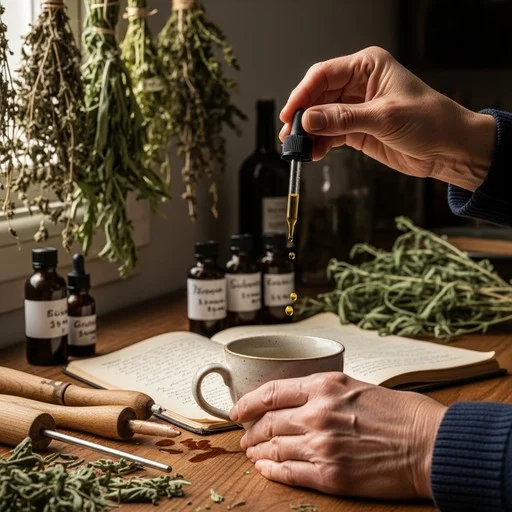
One of my favorite ways to enjoy these herbs is as a simple homemade preparation.
Because each herb extracts best in a different way, I usually prepare them separately before combining them.
Marshmallow Root Cold Infusion
Marshmallow root‘s mucilage is best preserved in cool water.
I simply place the dried root in a jar, cover it with cool filtered water, and let it steep for several hours—or overnight.
The finished infusion becomes slightly thick and silky, which is exactly what you want.
White Willow Bark Decoction
White willow bark benefits from gentle heat.
I simmer the bark in water for about 15–20 minutes before straining.
Once both preparations are ready, I combine them into one soothing herbal drink.
Preparing each herb this way helps preserve the unique compounds that make each one so valuable.

If You're Looking for the Simplest Option
I’ll be honest…
As much as I love making herbal teas and tinctures, life doesn’t always leave room for simmering roots on the stove.
Some seasons I’m homeschooling, working overnight shifts, trying to remember to drink enough water, and simply keeping everyone fed.
Capsules have become one of my favorite ways to keep herbs part of everyday life.
When I shop for herbal supplements, I look for:
- Organic ingredients whenever possible
- Minimal fillers
- Transparent sourcing
- Companies with a strong reputation for quality testing
I’ve linked a few of the products I personally like to recommend below if you’d rather skip the tea-making and keep things simple.
My Recommended Herbs
🌿 White Willow Bark Capsules
Supports occasional aches, joint discomfort, and a healthy inflammatory response.
→ Shop White Willow Bark
🌱 Organic Marshmallow Root Capsules
Traditionally used to soothe irritated tissues and support digestive health.
→ Shop Marshmallow Root
Sometimes the best herbal routine is simply the one you’ll actually stick with.
A Few Important Safety Notes
Herbs are powerful because they contain biologically active compounds.
Even gentle herbs deserve respect.
White willow bark should generally be avoided by people who:
- Are allergic to aspirin or other salicylates
- Take blood-thinning medications unless advised by a healthcare professional
- Have active stomach ulcers
- Are pregnant unless guided by a qualified healthcare provider
- Are giving herbs to children or teenagers recovering from viral illnesses because of concerns similar to aspirin use
Marshmallow root is considered one of the gentlest herbs in Western herbalism. However, because its mucilage may slow the absorption of medications, it’s generally recommended to take medications at least one to two hours before or after using marshmallow root.
Whenever you’re adding herbs to your routine—especially if you have a chronic medical condition or take prescription medications—it’s wise to work with a knowledgeable healthcare professional.
My Perspective
One of the biggest lessons herbalism has taught me is that nature rarely works through extremes.
Healing often comes through balance.
One herb cools.
Another nourishes.
One stimulates.
Another protects.
White willow bark and marshmallow root remind me that strength and gentleness don’t have to compete.
Sometimes they work best together.
And maybe that’s true beyond herbal medicine, too.
Sometimes our greatest healing doesn’t come from pushing harder.
It comes from choosing practices that support us consistently, patiently, and with intention.
This article is intended for educational purposes only and should not be considered medical advice. Herbs can interact with medications and may not be appropriate for everyone. Always consult a qualified healthcare professional before starting any new herbal regimen, especially if you have underlying health conditions, are pregnant or nursing, or take prescription medications.
With grace,
Jerica
Founder of Sovereign Becoming
Quiet strength. Honest work. Becoming, one gentle step at a time.